
What is actually donated?
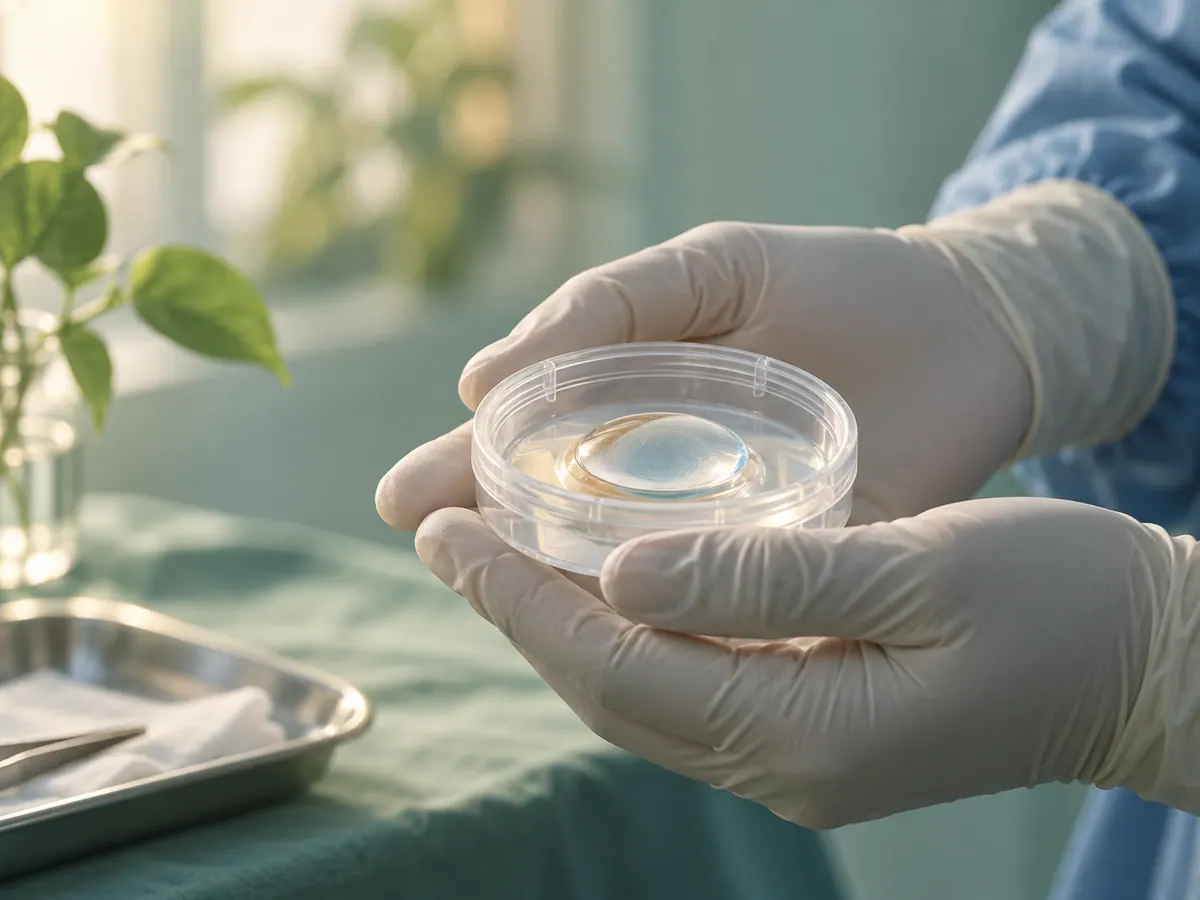
The cornea is the clear front window of the eye. Disease, infection or injury can make it opaque. Selected patients with corneal blindness may benefit from transplanted tissue.
Donation does not treat every cause of blindness: retinal or optic-nerve damage cannot be corrected with a corneal graft.
What the family should do
Contact an authorised eye bank or hospital donation service immediately after death. Keep the eyelids gently closed, switch off a direct fan and follow the eye bank’s instructions.
A trained team explains consent, checks medical history and performs retrieval respectfully. Donation generally does not prevent customary funeral arrangements.
Pledging and consent
A pledge records intent, but family awareness and timely action remain important. Tell relatives about the wish and keep an eye-bank number accessible.
Do not exclude a donor based on assumptions. The authorised service decides suitability, allocation and whether tissue can support transplantation, therapeutic care, training or research.
Common myths about eye donation
Corneal donation may be possible at many ages, and wearing spectacles, having cataract surgery or living with diabetes does not automatically exclude a donor. The eye-bank medical team reviews history, cause of death, infection risk and tissue quality. Families should call promptly rather than deciding eligibility themselves.
Donation is performed respectfully by trained personnel and ordinarily does not disfigure the face or prevent viewing and customary funeral arrangements. There is no lawful buying or selling of donated human tissue. Allocation is handled through authorised eye-banking and transplant systems according to medical use and applicable rules.
How to make a donation wish actionable
A pledge card or registration records intent, but relatives are often the people who must communicate promptly after death. Discuss the wish while healthy, identify an authorised eye bank serving the area and save its current telephone number. Hospitals can often contact a coordinator when a death occurs under medical care.
Corneal tissue must be evaluated and preserved within a limited time, so the first call matters more than finding old paperwork. The coordinator will ask about identity, timing, location, medical history and family consent. Not every retrieved cornea can be transplanted, but tissue may still support therapeutic use, training or ethically governed research when consent and standards permit.
What corneal transplantation can achieve
A transplant replaces diseased corneal tissue; it does not replace the retina, optic nerve or entire eye. Visual recovery varies with the type of graft, other eye disease, healing and rejection risk. Recipients require long follow-up and prescribed drops. Clear public education matters because one donor may provide usable corneal tissue for more than one recipient, while honest expectations prevent the phrase “eye donation” from promising treatment for every form of blindness.
Questions patients commonly ask
Is the whole eye transplanted?+
Usually the donated cornea—the clear front window—is used for transplantation. A whole seeing eye cannot currently be transplanted to restore vision.
Can a person who wore glasses donate eyes?+
Often yes. Spectacle use and many common health conditions do not automatically prevent donation. The authorised eye bank determines medical suitability.
Does pledging guarantee donation?+
A pledge communicates intent, but the family and eye bank must still coordinate after death. Discussing the wish and keeping a current eye-bank contact can make action more likely.
Clinical references
This guide is informed by patient guidance from established public-health and professional medical bodies.