
Hysteroscopy
A slender camera passes through the cervix to examine the uterine cavity. It may diagnose or treat selected polyps, submucosal fibroids, adhesions or abnormal bleeding without an abdominal incision.
Understand the diagnosis, non-surgical alternatives, surgical route, fertility implications and recovery before consenting to a gynaecological procedure.
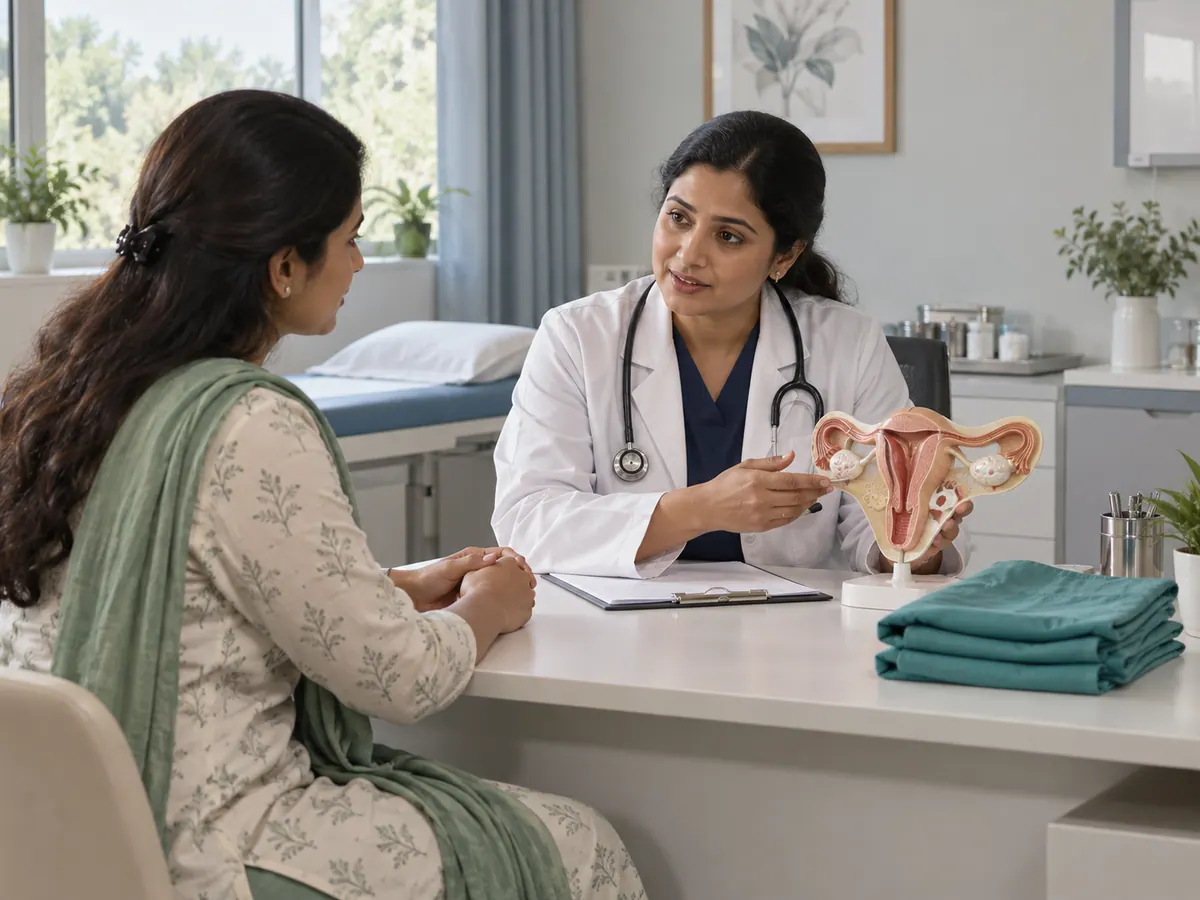
Surgery may be discussed when symptoms are severe, medicine has not helped, a structural problem requires correction, fertility or pregnancy is affected, an emergency is present, or cancer or precancer is suspected.
The decision combines symptoms, examination, imaging, age, future pregnancy goals and the likely benefit of alternatives. Fibroids, ovarian cysts and endometriosis do not automatically require an operation.
Some procedures are performed through the vagina or cervix, some by laparoscopy and some through an abdominal incision. Cancer suspicion or complexity can change the safest setting and specialist team.
A slender camera passes through the cervix to examine the uterine cavity. It may diagnose or treat selected polyps, submucosal fibroids, adhesions or abnormal bleeding without an abdominal incision.
Keyhole surgery may be used for selected ovarian cysts, endometriosis, ectopic pregnancy, sterilisation and other pelvic conditions. Suitability depends on diagnosis, surgical history and complexity.
Myomectomy removes selected fibroids while retaining the uterus. Other procedures may treat a focal problem without hysterectomy, but recurrence and future pregnancy implications require discussion.
Removal of the uterus may be appropriate for cancer, precancer or severe benign disease after reasonable alternatives are considered. The cervix, tubes and ovaries are separate decisions—not automatically removed together.
A good consent conversation includes expected benefit, meaningful alternatives, material risks, the exact organs involved and what recovery may require.
Dr. Shilpa Jaypuriya evaluates the concern at the JEWCC Women’s Care OPD. When an operation is indicated, investigations, consent, hospital admission and postoperative follow-up are coordinated at an associated hospital with suitable facilities.
JEWCC Virar West functions as the Women’s Care OPD. When surgery or admission is required, Dr. Shilpa Jaypuriya coordinates care at an associated hospital with appropriate inpatient, anaesthesia and operative facilities.
No. Hysterectomy removes the uterus. Removing tubes or ovaries are separate decisions based on age, diagnosis, cancer risk and preference.
No. The safest route depends on the condition, uterine or mass size, previous surgery, suspected cancer, surgeon assessment and available facilities.
Some operations preserve fertility while others permanently prevent pregnancy. Discuss future pregnancy goals before consent, including whether fertility-preservation advice is appropriate.
Medically indicated surgery may be eligible subject to diagnosis, waiting periods, exclusions, network rules and pre-authorisation. Fertility-related procedures and sterilisation may be handled differently.