
Multifocal IOL guide

More focal ranges, with important optical trade-offs.

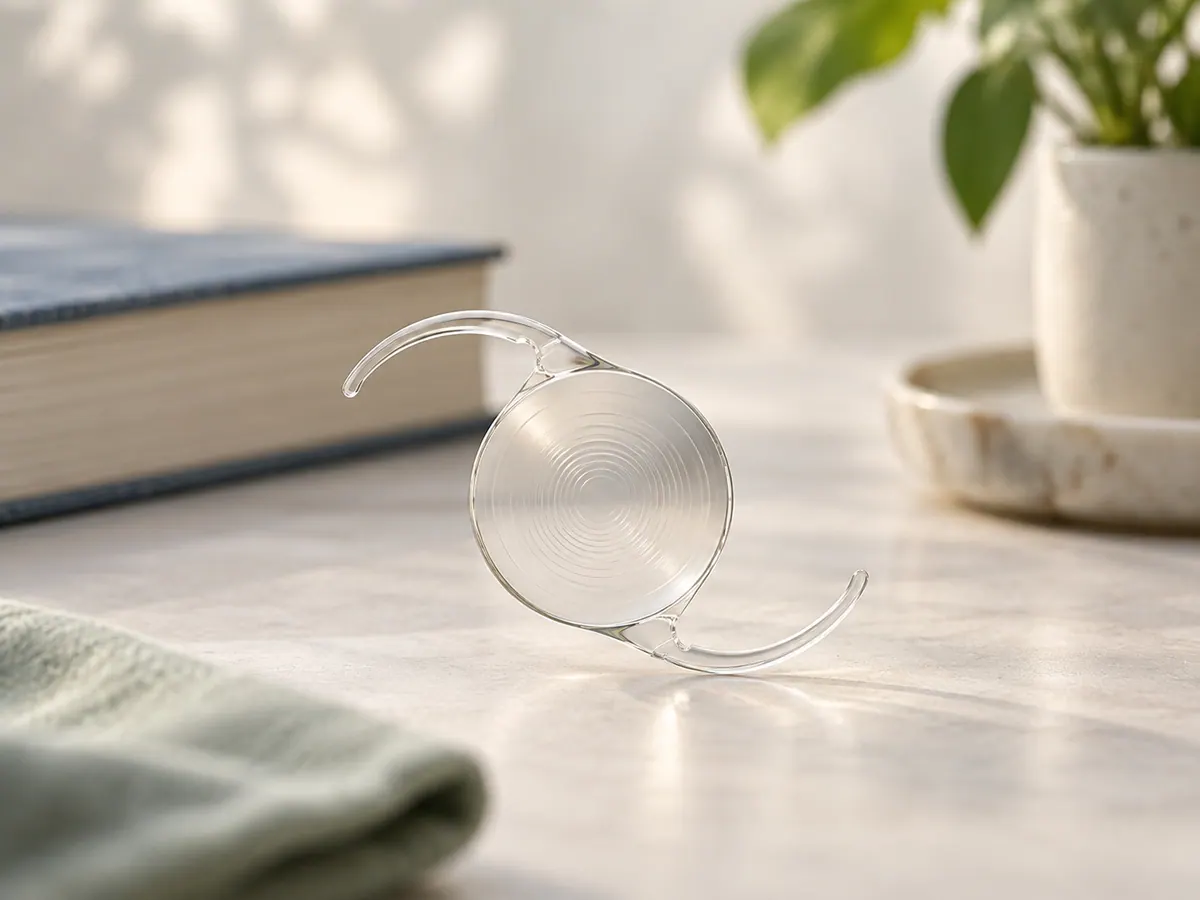
Multifocal and trifocal IOLs use multiple optical zones to provide more than one focus range. They can reduce spectacle dependence in carefully selected eyes, but do not guarantee freedom from glasses.

Illustration of a multifocal intraocular lens with concentric optical rings
3 centres Virar & Nallasopara
What to know

The essential details, without the sales language.

01

Potential benefit

Near, intermediate and distance tasks may be possible with less frequent use of glasses, depending on design and the individual result.

The reading distance and intermediate range are not identical across all models. Patients should describe their real activities—phone, books, computer, dashboard or detailed handwork—rather than asking only for “near vision.”

02

Possible side effects

Halos, glare, starbursts or reduced contrast may occur, particularly in low light. Adaptation can take time and symptoms do not settle equally for everyone.

Residual spectacle power, dry eye and other ocular conditions can make these symptoms more noticeable. Some patients remain bothered despite adaptation, so the trade-off should be understood before surgery.

03

Careful selection

Corneal, retinal and optic-nerve health, pupil behaviour, dry eye, expectations and night-driving needs all matter before choosing this category.

Multifocal or trifocal optics may not be advisable for every retina, cornea or glaucoma profile. A complete examination helps decide whether the potential reduction in glasses use is worth the optical compromises.

This page provides general patient information. Your examination, surgeon’s advice and written treatment instructions determine what is appropriate for your eye.

Complete cataract guide

Compare every lens option in one place.

Return to the cataract hub for symptoms, surgery timing, IOL categories, insurance guidance, centres and FAQs.

Explore cataract care